

Proper Post-care After an IV Drip Treatment in Catonsville, MD
Proper post-care after an IV drip treatment is essential for maximizing its benefits and ensuring a smooth recovery. After your session, it’s important to stay hydrated, avoid heavy physical activity for a few hours. Visit Dr. Nasseri, MD, and his compassionate team at Jean Walter Infusion Center for personalized care and guidance on the best post-IV therapy practices. We are conveniently located at 700 Geipe Rd, Suite 200A, Catonsville, MD 21228. For more information about the cost of iron infusion therapy, contact us or request an appointment online.
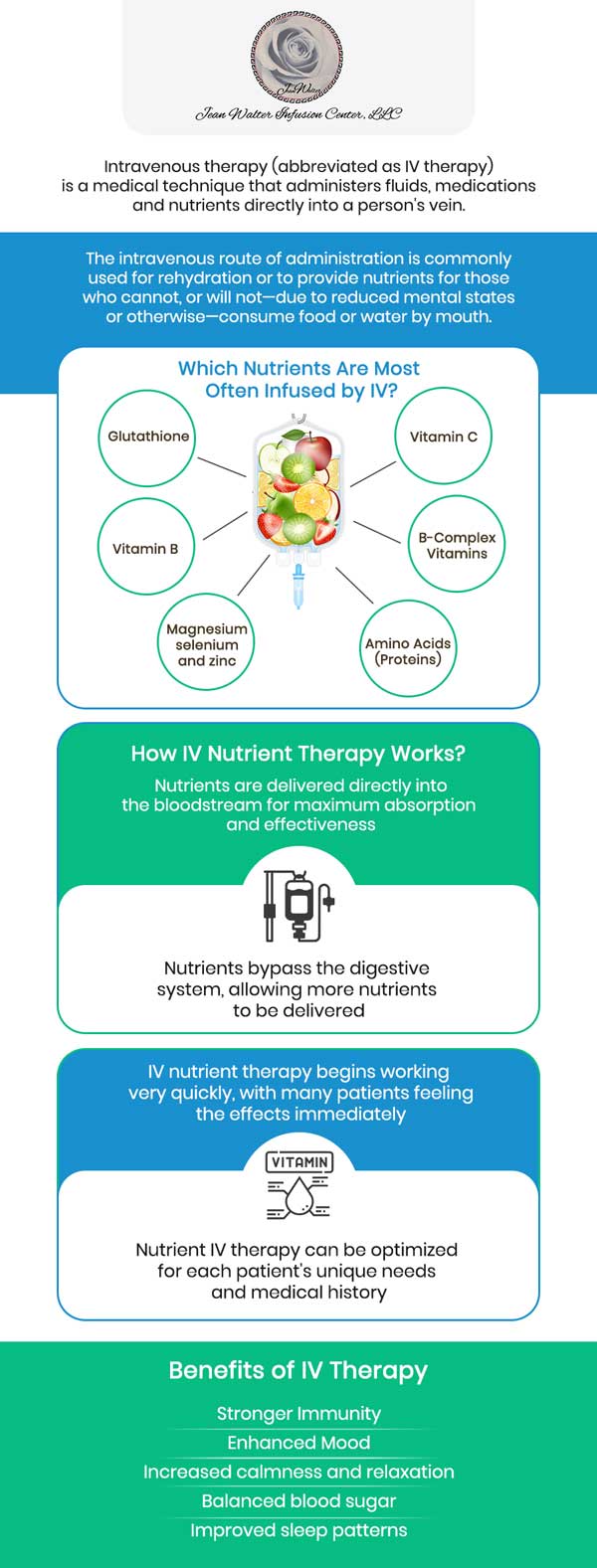
Table of Contents:
Is it normal to feel tired or lightheaded after an IV drip treatment?
What to do after an IV drip treatment?
Can I eat or drink normally after an IV drip treatment?
How long will it take to feel the full benefits of an IV drip after treatment?
What Post-Care Recommendations Does Dr. Nasser Nasseri, MD, Offer After an IV Drip Treatment?
Feeling tired or lightheaded after receiving treatment can sometimes occur, but this is usually mild and temporary. Infusion therapies administered at our center often involve delivering fluids, vitamins, minerals, or specialized medications directly into your bloodstream, which may temporarily impact your fluid balance, blood pressure, or electrolyte levels. As your body adjusts, you might briefly experience sensations such as fatigue, dizziness, or mild nausea.
At Jean Walter Infusion Center, your comfort and safety are our top priorities. Typically, these symptoms resolve naturally shortly after treatment. To minimize discomfort, we recommend resting briefly in our comfortable lounge area after your infusion, drinking plenty of fluids, and having a small snack to help stabilize your blood sugar.
However, if symptoms persist, worsen, or if you experience more serious reactions such as severe dizziness, shortness of breath, chest pain, confusion, or rapid heartbeat, please inform our clinical staff immediately or seek prompt medical attention.
After your IV infusion treatment, please follow these important steps to ensure your well-being:
Care for Your Infusion Site
Once the IV line has been removed, keep the area clean and dry. Monitor your infusion site for any signs of redness, swelling, irritation, or discomfort. Mild soreness or slight bruising may occur and is usually normal, but if these symptoms persist or worsen, please contact Jean Walter Infusion Center promptly.
Stay Hydrated
Adequate hydration helps your body maximize the benefits of your infusion therapy. Unless instructed otherwise by your healthcare provider, drink plenty of fluids to support your recovery and maintain overall well-being.
Resume Activities Gradually
You may generally resume your usual diet and daily activities unless your provider has provided specific restrictions. However, we recommend limiting strenuous physical activity immediately following your infusion. Allow your body some time to rest and recover.
Rest and Monitor Your Symptoms
It is common to feel tired, dizzy, or slightly weak after your infusion session. Listen to your body and take some time to rest. If you experience any unusual or severe symptoms—such as difficulty breathing, severe itching, swelling of the face and throat, or signs of an allergic reaction—seek immediate medical attention.
Follow Provider Instructions
Your healthcare provider may give you personalized instructions regarding medications, dietary guidelines, or follow-up appointments. Please follow these instructions closely. Open communication with your healthcare team ensures the safest and most effective outcomes from your infusion treatment.
If you have any questions or concerns following your visit, please don’t hesitate to contact Jean Walter Infusion Center. We are here to support your health and recovery every step of the way.
At Jean Walter Infusion Center, patients frequently ask about resuming normal eating and drinking habits after receiving infusion therapy. Generally, you can return to your regular diet and hydration routine shortly after your infusion, as most treatments administered here are well-tolerated and do not require special dietary restrictions. However, depending on the specific nutrients, vitamins, or medications you receive during your infusion, your provider or nurse may suggest certain dietary guidelines or temporary precautions.
For instance, some infusions may contain elements that interact with specific foods or beverages, and your healthcare provider or infusion nurse will notify you of any necessary dietary adjustments. If following your infusion treatment you experience mild side effects such as nausea, dizziness, or an upset stomach, we recommend starting with lighter meals and then gradually resuming your normal diet as symptoms improve. Staying hydrated and consuming balanced, nutritious meals supports your recovery and enhances the effectiveness of your infusion therapy at Jean Walter Infusion Center.
As always, if you have specific concerns or experience unusual symptoms after your infusion treatment, please contact your healthcare provider or our clinical team promptly.
At Jean Walter Infusion Center, we understand the importance of helping our patients know what to expect during and after intravenous therapy. The time it takes to feel the full benefits of your IV drip treatment can vary based on several factors, including your individual health status, the specific medications or nutrients administered, and the overall goals of your therapy.
Generally, intravenous infusion treatments offered at our center allow nutrients, hydration, medications, and therapeutic agents to enter directly into your bloodstream. This direct delivery results in rapid absorption and typically quicker onset of benefits compared to oral supplements or medications.
Many of our patients report feeling immediate improvements in hydration, energy levels, and overall comfort during or shortly after the infusion session. However, other therapeutic effects—such as enhanced immune function, reduced inflammation, symptom relief, or correction of nutrient deficiencies—may take slightly longer, often becoming noticeable within approximately 24 to 48 hours after treatment. Patients usually continue to experience improved well-being in the days following their infusion.
For patients receiving IV infusions for chronic conditions or long-standing nutritional deficiencies, multiple treatments may be recommended to achieve the full cumulative benefit. In these situations, noticeable improvements in symptoms and overall health typically develop gradually over a series of infusion sessions.
At Jean Walter Infusion Center, Dr. Nasseri, MD emphasizes the importance of staying well-hydrated and allowing your body to rest. Hydration helps your body process and distribute the nutrients delivered during the treatment, enhancing its effectiveness. Dr. Nasseri advises patients to drink plenty of water and avoid strenuous activities for at least 24 hours to ensure that the body absorbs the nutrients properly. Rest is equally important, as it helps your body recover and fully benefit from the treatment.
Dr. Nasseri also recommends monitoring for any side effects such as swelling at the injection site, dizziness, or fatigue. While these are generally uncommon, it’s important to report any discomfort or unusual symptoms promptly. Follow-up appointments are encouraged to ensure that your body is responding well to the treatment, and Dr. Nasseri provides personalized guidance to address any concerns. By following these post-care instructions, patients can maximize the results of their IV drip treatment and experience faster recovery under the expert care of Dr. Nasser Nasseri, MD.
The clinical team at Jean Walter Infusion Center is here to provide personalized guidance and support. We encourage you to discuss your individual health goals and treatment plan with our healthcare providers to set realistic expectations and ensure the best possible outcomes from your IV infusion therapy. We are conveniently located at 700 Geipe Rd, Suite 200A, Catonsville, MD 21228. For more information about the cost of iron infusion therapy, contact us or request an appointment online. We serve patients from Catonsville MD, Hebbville MD, Woodlawn MD, Arbutus MD, Ellicott City MD, and surrounding areas.
Check Out Our 5 Star Reviews

Additional Services We Offer


- Infusion Therapy
- Injection Treatments
- Intravenous Immunoglobulin Therapy
- Medical Conditions
- Asthma
- Crohn’s Disease
- Fibromyalgia
- Gout
- Inflammatory Eye Disease
- Inflammatory Skin Disease
- Iron Deficiency
- Lupus
- Multiple Sclerosis
- Myositis
- Osteoporosis
- Rheumatoid Arthritis
- Ulcerative Colitis
- Vasculitis
- IVIG Infusions
- Platelet-Rich Plasma (PRP)


 Send Text
 How May I Help You?