

Are Joint Injections Safe? What You Should Know Before Treatment in Edgewater, MD
At Jean Walter Infusion Center, we prioritize your safety when considering joint injections for pain relief. Joint injections are generally safe, but it’s important to understand the potential risks and benefits before treatment. Our experienced team will guide you through the process, ensuring you make an informed decision about your joint health and recovery. For more information, contact us or request an appointment online. We are conveniently located at 3168 Braverton St., Suite 330A, Edgewater, MD 21037.
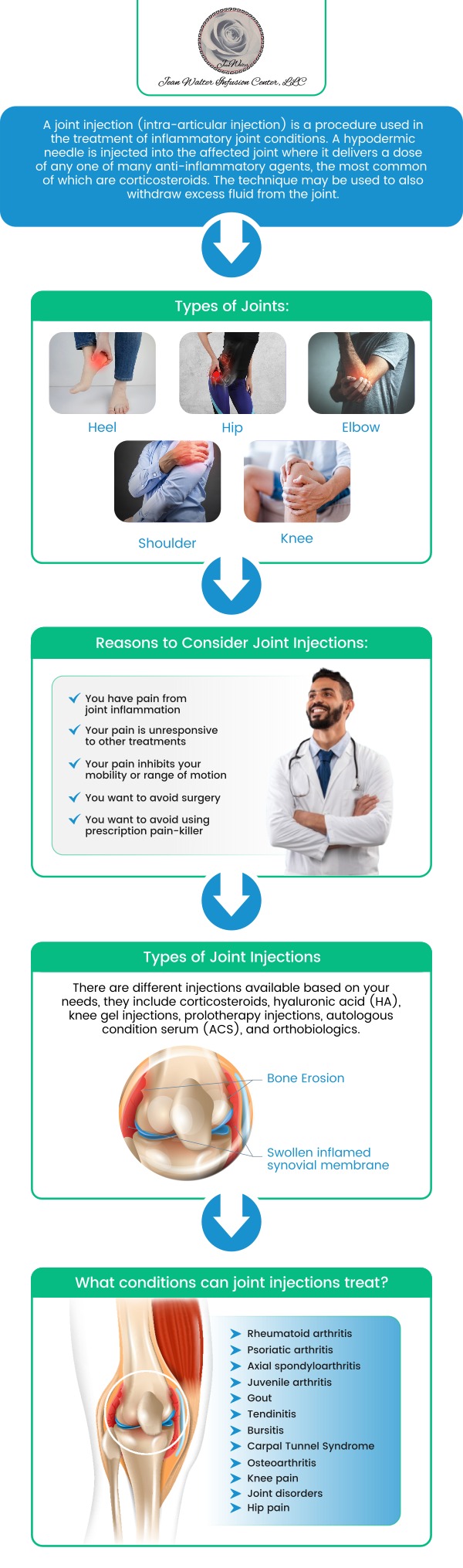
Table of Contents:
What are the potential risks and side effects of joint injections?
What precautions should be taken before undergoing a joint injection procedure?
Can joint injections interact with other medications or treatments?
How often can someone safely receive joint injections for pain management?
Ensuring Joint Injection Safety with Dr. Nasser Nasseri
At Jean Walter Infusion Center, joint injections are one of the many services we offer to help relieve pain and inflammation caused by conditions such as arthritis, bursitis, and joint injuries. Our experienced team of healthcare professionals is committed to providing safe, effective, and compassionate care tailored to each patient’s needs.
Joint injections involve delivering medications directly into the affected joint to reduce pain and swelling. These treatments can provide significant relief for patients struggling with joint discomfort that does not respond to more conservative therapies.
Although joint injections are generally safe when performed by our highly trained providers, it’s important to be aware of potential side effects:
• Temporary Discomfort: Some patients may experience mild pain, swelling, or bruising at the injection site. These symptoms typically resolve within a few days.
• Infection: While rare, any redness, warmth, swelling, or increased pain at the injection site should be reported to your Jean Walter Infusion Center provider immediately.
• Bleeding: Patients taking blood-thinning medications or those with bleeding disorders may have a slightly increased risk of bleeding into the joint.
• Allergic Reactions: Though uncommon, reactions such as itching, rash, or difficulty breathing can occur. Please let our team know about any medication allergies beforehand.
• Impact on Joint Structures: Repeated corticosteroid injections can sometimes weaken cartilage or tendons over time. Our providers will work with you to ensure injections are administered safely and appropriately.
• Blood Sugar Changes: Individuals with diabetes may notice a temporary rise in blood sugar following a corticosteroid injection. Our staff will discuss this risk and help you monitor your levels.
• Nerve or Tissue Injury: Very rarely, nerve damage or injury to surrounding tissues can occur.
Some patients may also experience a “post-injection flare,” with increased pain and swelling within 24-48 hours after the procedure; this typically resolves on its own.
At Jean Walter Infusion Center, patient safety and individualized care are our top priorities. Before any procedure, our providers will thoroughly review your medical history, discuss the potential benefits and risks, and answer any questions you may have. We encourage you to communicate openly with our team about your concerns and symptoms, both before and after the injection.
At Jean Walter Infusion Center, your safety and comfort are our top priorities. If you are scheduled for a joint injection at our facility, following a few important precautions will help ensure the best results from your treatment:
1. Inform Your Care Team About Medications:
Let your healthcare provider know about all medications you are taking, especially blood thinners or drugs that affect your immune system. These can increase your risk for bleeding or infection during the procedure.
2. Disclose Allergies and Medical History:
Please let us know if you have any allergies—particularly to local anesthetics, corticosteroids, or latex—as these materials may be used during the injection.
3. Report Any Current Infections:
If you are experiencing symptoms of an infection (such as a cold, flu, or a skin infection near the injection site), inform our staff right away.
4. Diabetes and Other Health Conditions:
If you have diabetes, mention this to your provider, as corticosteroid injections can temporarily raise blood sugar levels.
5. Previous Reactions or Experiences:
Tell your provider about any past reactions to joint injections or related procedures. This helps us take every precaution to ensure your safety and comfort during your time.
6. Medication Adjustments Before the Procedure:
You may be advised to avoid NSAIDs (like ibuprofen) or aspirin a few days prior to your injection, unless your physician instructs otherwise. This reduces the risk of bleeding.
While joint injections are generally safe and well-tolerated, it’s important to consider potential interactions with other medications or treatments you may be receiving. At Jean Walter Infusion Center, your safety is our top priority, and we take a comprehensive approach to your care.
Corticosteroid injections, the most commonly used type, can have effects throughout the body even though they are injected into a specific joint. Please inform your provider if you are currently taking:
Oral corticosteroids
• Diabetes medications (as corticosteroids can raise blood sugar)
• Anticoagulants (blood thinners such as warfarin or aspirin, which may increase bleeding risk)
• Immunosuppressive drugs (as combining therapies can further lower immune function)
Our team will review your current medications and medical history to minimize risks and provide the safest, most effective treatment.
If you are also undergoing physical therapy or using topical medications near the injection site, let your provider know. In most cases, these treatments can be safely combined, but our clinicians will ensure there are no contraindications or unwanted interactions.
Before receiving a joint injection, please provide a full list of all medications, supplements, and any underlying health conditions. This information helps our clinical team assess for possible interactions and make any necessary adjustments to your treatment plan.
The recommended frequency of joint injections depends on several factors, including the specific medication, the joint involved, and your overall health. At Jean Walter Infusion Center, we follow the latest evidence-based guidelines to ensure the best outcomes for our patients:
Corticosteroid Injections: To minimize risks such as infection, cartilage damage, or systemic side effects, these injections are typically limited to three or four times per year per joint, with at least three months between each injection.
Hyaluronic Acid Injections: Often used for knee osteoarthritis, these may be given as a series and repeated every six months to a year, depending on your individual response and the specific product used.
Because every patient’s needs are unique, our providers take the time to assess each individual’s condition and discuss the most appropriate treatment plan. Some patients may need injections less frequently, or may benefit more from alternative pain management strategies such as physical therapy, oral medications, or lifestyle modifications.
Before proceeding with repeated joint injections, you’ll have a thorough consultation with one of our healthcare providers at Jean Walter Infusion Center. Together, we’ll review your medical history, current symptoms, and treatment goals to determine the safest and most effective plan for you. Our commitment is to provide care that is both safe and tailored to your individual needs.
At Jean Walter Infusion Center in Edgewater, MD, Dr. Nasser Nasseri provides comprehensive guidance on the safety of joint injections. While joint injections are generally considered safe, it’s important to understand the potential risks and benefits before undergoing treatment. Dr. Nasseri takes a personalized approach, thoroughly evaluating your health and discussing any concerns to ensure joint injection therapy is the right option for you. With his expertise, you can feel confident in your decision to pursue this effective treatment for joint pain relief. Trust Dr. Nasseri for safe and informed care.
If you have questions about joint injections or would like to schedule a consultation, please visit Jean Walter Infusion Center today. We’re here to help you move with less pain and greater comfort. For more information, contact us or request an appointment online. We are conveniently located at 3168 Braverton St., Suite 330A, Edgewater, MD 21037. We serve patients from Edgewater MD, Riva MD, Davidsonville MD, Annapolis MD, and surrounding areas.
Check Out Our 5 Star Reviews

Additional Services We Offer


- Infusion Therapy
- Injection Treatments
- Intravenous Immunoglobulin Therapy
- Medical Conditions
- Asthma
- Crohn’s Disease
- Fibromyalgia
- Gout
- Inflammatory Eye Disease
- Inflammatory Skin Disease
- Iron Deficiency
- Lupus
- Multiple Sclerosis
- Myositis
- Osteoporosis
- Rheumatoid Arthritis
- Ulcerative Colitis
- Vasculitis
- IVIG Infusions
- Platelet-Rich Plasma (PRP)


 Send Text
 How May I Help You?