

What Are the 4 Stages of Osteoporosis and Can They Be Reversed?
At Jean Walter Infusion Center in Edgewater, MD, we provide valuable insights into the 4 stages of osteoporosis and discuss whether they can be reversed. Understanding the progression of osteoporosis is key to managing bone health, and Dr. Nasseri, MD is dedicated to offering personalized treatment options to slow or stop the progression and improve your quality of life. For more information, contact us or request an appointment online. We are conveniently located at 3168 Braverton St., Suite 330A, Edgewater, MD 21037.
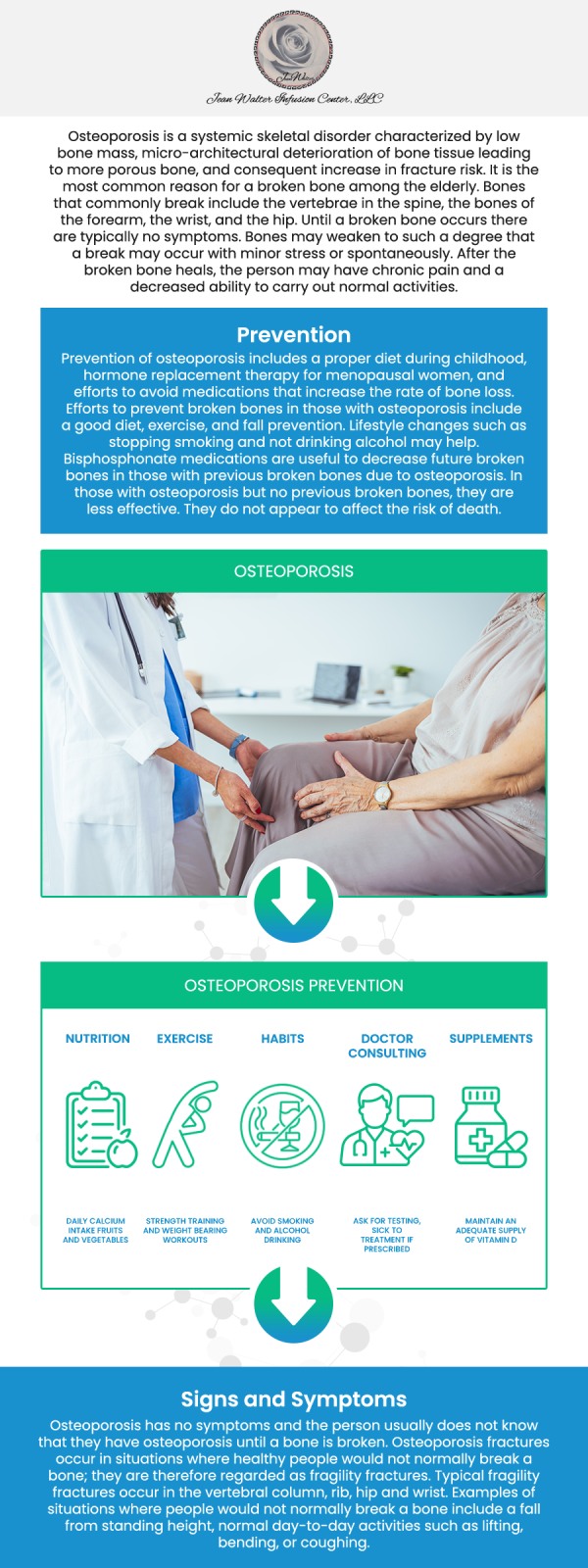
Table of Contents:
What happens during Stage 1 of osteoporosis? What is Stage 2 (Osteopenia)?
What are the signs of Stage 4 (Advanced Osteoporosis)?
Who is at the highest risk for developing these stages?
Can the progression of osteoporosis be reversed?
Dr. Nasser Nasseri’s Specialized Care in Treating Osteoporosis Stages
Osteoporosis is a progressive condition characterized by gradual bone loss and increased risk of fractures. At Jean Walter Infusion Center, we emphasize the importance of early detection and effective treatment to help our patients maintain strong, healthy bones.
Stage 1 Osteoporosis:
In the earliest phase, Stage 1, bone changes are subtle and often go unnoticed. Bone density begins to decrease as minerals—mainly calcium—are lost from the bone, but this reduction is typically not enough to cause fractures or visible deformities. Because symptoms are rarely present at this stage, most individuals are unaware of their condition. Standard X-rays may not detect this early bone loss; therefore, specialized bone mineral density (BMD) testing, such as a DEXA scan, is essential for diagnosis. At Jean Walter Infusion Center, we can work with your primary care provider to ensure appropriate screening and recommend preventive strategies tailored to your needs.
Stage 2 Osteoporosis (Osteopenia):
Stage 2, also known as osteopenia, involves a more significant decrease in bone density. While bones are weaker than normal, they are not yet fragile enough to break easily from minor injuries. At this stage, the risk of progressing to osteoporosis increases if bone loss is not managed. Many people with osteopenia remain symptom-free, although some may notice mild bone aches or discomfort. Osteopenia is often discovered during routine screenings or as part of an assessment for osteoporosis risk.
If you are diagnosed with osteopenia or osteoporosis, Jean Walter Infusion Center offers advanced infusion therapies designed to slow bone loss and strengthen your bones. Medications such as bisphosphonates, denosumab, or other FDA-approved treatments can be administered safely and effectively in our comfortable outpatient setting under the care of experienced medical professionals.
Our team collaborates closely with your healthcare providers to create a personalized treatment plan, which may include lifestyle recommendations, nutritional support, and appropriate infusion therapy to reduce your risk of fractures and improve your quality of life.
Stage 4 osteoporosis—sometimes called advanced osteoporosis—is the most severe form of this bone disease. At this stage, the bones have become extremely weak, porous, and fragile due to significant loss of bone density. People with stage 4 osteoporosis often suffer frequent bone fractures, sometimes even from minor bumps, falls, or everyday activities. The most common sites for these fractures are the spine, hip, and wrist, but other bones can also be affected.
Chronic pain is a hallmark sign of advanced osteoporosis, especially in the back, hips, and wrists. This pain is often the result of compression fractures in the vertebrae, which can happen spontaneously or with very little trauma. Over time, these spinal fractures can also lead to a noticeable loss of height and a stooped or hunched posture, known as kyphosis or “dowager’s hump.” These changes not only affect appearance but also make balance more difficult, increasing the risk of further falls and injuries.
Alongside bone pain and fractures, individuals with stage 4 osteoporosis may experience decreased mobility and loss of independence. Everyday tasks can become challenging due to pain, weakness, and fear of additional fractures, often leading to a reduced quality of life.
At Jean Walter Infusion Center, we recognize the unique challenges faced by patients with stage 4 osteoporosis. Our experienced team offers comprehensive care and advanced treatment options tailored to your needs, including:
• Intravenous (IV) Therapy: We provide access to the latest infusion medications, such as bisphosphonates and other bone-strengthening agents, which can help slow bone loss, reduce the risk of fractures, and alleviate pain.
• Personalized Care Plans: Our providers work closely with you to create individualized treatment plans that address your specific symptoms and goals.
• Pain Management: We offer a multidisciplinary approach to managing chronic pain, helping you maintain mobility and improve your quality of life.
• Education & Support: Our staff educates you and your family on bone health, fall prevention, nutrition, and ways to adapt daily activities for safety and comfort.
• Ongoing Monitoring: We use advanced diagnostic tools to track bone density and treatment progress, ensuring your care is as effective as possible.
At Jean Walter Infusion Center, we understand that our patients—many of whom are managing chronic illnesses—may face unique risks related to pressure injuries and associated complications. Individuals receiving regular infusions often have underlying conditions such as diabetes, autoimmune disorders, or vascular disease, which can impair sensation, circulation, and the body’s natural ability to heal. These factors, combined with periods of limited mobility during or between treatments, can increase vulnerability to skin breakdown.
Elderly patients and those who are bedridden or reliant on wheelchairs for extended periods are at even greater risk, as age-related changes and reduced physical activity can further compromise skin integrity. Malnutrition, dehydration, and a history of previous pressure injuries are additional risk factors that we closely monitor during each patient’s visit.
At the Jean Walter Infusion Center, our experienced team is committed to recognizing these risk factors early. By providing comprehensive assessments and preventive education, we strive to ensure the comfort, safety, and well-being of every patient during their infusion therapy.
Osteoporosis is a chronic condition marked by decreased bone density and strength, leading to a higher risk of fractures. While it is generally not possible to fully reverse significant bone loss, the progression of osteoporosis can often be slowed—and in some cases, bone density partially improved—with timely medical intervention and lifestyle adjustments.
At Jean Walter Infusion Center, we offer advanced treatment options for osteoporosis, including infusion therapies such as bisphosphonates (e.g., zoledronic acid) and denosumab. These medications, which can be administered safely and conveniently in our state-of-the-art facility, work by slowing bone breakdown or stimulating new bone formation, ultimately helping to increase bone density and reduce the risk of fractures. Our experienced infusion team ensures that each patient receives personalized care and monitoring throughout the treatment process.
In addition to medical therapies, our clinicians emphasize the importance of lifestyle modifications to support bone health. This includes ensuring adequate calcium and vitamin D intake, encouraging regular weight-bearing exercise, and providing guidance on avoiding smoking and excessive alcohol use.
At Jean Walter Infusion Center in Edgewater, MD, we understand the progression of osteoporosis and its impact on your health. Dr. Nasser Nasseri is here to guide you through the 4 stages of osteoporosis, providing insight into how they develop and the potential for reversing certain stages. Our clinic offers cutting-edge treatments aimed at slowing or halting the progression of osteoporosis, improving bone density, and reducing fracture risk. With Dr. Nasseri’s expertise, you can take proactive steps toward managing your osteoporosis at every stage.
While osteoporosis cannot be completely reversed, early diagnosis and proactive management at Jean Walter Infusion Center can help halt or slow its progression, strengthen your bones, and reduce the risk of fractures. If you or a loved one has been diagnosed with osteoporosis, visit us to learn more about our comprehensive infusion therapy options and supportive care. For more information, contact us or request an appointment online. We are conveniently located at 3168 Braverton St., Suite 330A, Edgewater, MD 21037. We serve patients from Edgewater MD, Riva MD, Davidsonville MD, Annapolis MD, and surrounding areas.
Check Out Our 5 Star Reviews

Additional Services We Offer


- Infusion Therapy
- Injection Treatments
- Intravenous Immunoglobulin Therapy
- Medical Conditions
- Asthma
- Crohn’s Disease
- Fibromyalgia
- Gout
- Inflammatory Eye Disease
- Inflammatory Skin Disease
- Iron Deficiency
- Lupus
- Multiple Sclerosis
- Myositis
- Osteoporosis
- Rheumatoid Arthritis
- Ulcerative Colitis
- Vasculitis
- IVIG Infusions
- Platelet-Rich Plasma (PRP)


 Send Text
 How May I Help You?