

What Not to Do After an Iron Infusion in North Baltimore, MD for Optimal Recovery
After an iron infusion, it’s important to follow certain guidelines to ensure optimal recovery. Avoid heavy physical activities, alcohol, and hot showers immediately after the procedure, as they can interfere with the infusion’s effectiveness and recovery process. Dr. Nasseri, MD, recommends taking it easy and staying hydrated to help your body absorb the iron efficiently. For more information, contact us or book an appointment online. We are conveniently located at 3333 N. Calvert St, Suite 540A, Baltimore, MD 21218.
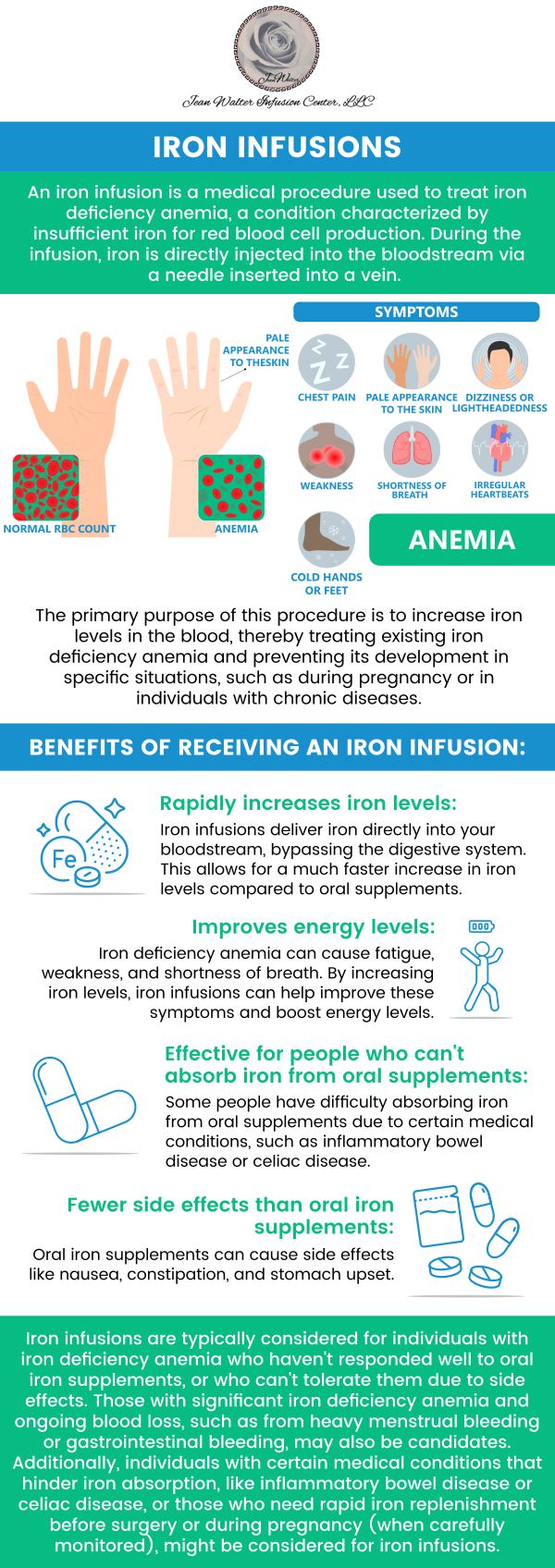
Table of Contents:
How do you know if you need an iron infusion?
What should you avoid after an iron infusion for the best recovery?
How can you ensure optimal recovery after an iron infusion?
What should you do if you experience a reaction after an iron infusion?
Dr. Nasser Nasseri, MD Explains What to Avoid After an Iron Infusion for Fast Recovery
An iron infusion is a medical treatment that delivers iron directly into the bloodstream through an intravenous line. This treatment is used when iron levels are too low to support normal red blood cell production or when oral iron has failed to correct the deficiency. Iron infusions are designed to replenish iron stores efficiently and steadily, allowing the body to resume normal oxygen transport and energy production without relying on the digestive system to absorb iron.
The need for an iron infusion is often determined with a combination of symptoms and lab findings. Individuals may experience persistent fatigue, shortness of breath with minimal activity, dizziness, headaches, or difficulty concentrating that does not improve with rest or diet changes. Bloodwork may show low ferritin, low hemoglobin, or other markers that suggest iron deficiency anemia or depleted iron reserves despite prior supplementation. In some cases, underlying medical conditions will mean infusion therapy is the appropriate next step. Chronic inflammatory diseases, gastrointestinal disorders, heavy blood loss, or conditions that limit absorption can prevent oral iron from being effective. In these situations, the specialists at Jean Walter Infusion Center may recommend intravenous iron to provide a more reliable and controlled way to restore healthy iron levels.
After an iron infusion, recovery is typically smooth, though the body benefits from a short period of adjustment. Strenuous physical activity immediately following treatment may place unnecessary strain on the circulatory system. Allowing the body time to rest can improve treatment response and reduce the likelihood of lightheadedness or fatigue later the same day. Certain medications or supplements may be temporarily adjusted based on physician guidance, particularly those that affect inflammation or digestion. Alcohol intake may also be limited for a short time, as it can interfere with hydration and recovery. These recommendations are individualized based on the patient’s medical history and overall treatment plan. Dietary restrictions following an infusion are typically minimal. The goal after treatment is to allow iron levels to stabilize without adding unnecessary stressors. Clear communication with the care team at Jean Walter Infusion Center ensures that recovery recommendations align with the specific infusion protocol used.
Optimal recovery following an iron infusion is often supported by attentive self monitoring and routine follow up. Mild side effects such as temporary soreness at the infusion site, a metallic taste, or brief fatigue may occur and usually resolve without intervention. Paying attention to how energy levels change over the days following treatment can provide helpful insight into how effectively iron stores are being replenished. Hydration plays an important role in recovery, as fluids assist circulation and help the body process the infusion smoothly. Balanced meals that support red blood cell production may complement the effects of the treatment, though dietary changes alone are not expected to replace the infusion’s benefits. Adequate sleep also allows the body to adapt to rising iron levels and improved oxygen delivery.
Follow up lab testing at Jean Walter Infusion Center is often part of the recovery process to confirm that iron levels are improving as expected. Physicians may use these results to determine whether additional infusions are needed or if maintenance care is sufficient.
Reactions to iron infusions are uncommon, though awareness of potential symptoms helps ensure prompt care if they arise. Mild reactions may include flushing, nausea, itching, or a feeling of warmth during or shortly after the infusion. These responses are typically managed on site and tend to resolve quickly once addressed. More pronounced reactions may involve chest discomfort, shortness of breath, or swelling, which require immediate medical attention. Infusion settings are structured to monitor patients closely during administration so that any changes are recognized early.
If symptoms develop after leaving the infusion center, contacting the supervising medical provider allows for proper evaluation. Documentation of the reaction helps guide future treatments and informs decisions about medication adjustments or other formulations.
At the North Baltimore, MD location, Jean Walter Infusion Center is equipped with advanced technology and a knowledgeable infusion team focused on patient comfort and safety throughout each visit. The center provides care for a wide range of conditions.
Dr. Nasser Nasseri, MD, is board certified in rheumatology and works closely with a skilled clinical team to oversee therapeutic treatments. Each infusion plan is developed with attention to the patient’s diagnosis, lab results, and response to prior therapies. Patients are supported with medical oversight, attentive follow up, and a treatment environment designed to promote stability and maximum results.
Jean Walter Infusion Center provides iron infusion treatment. For more information, contact us or book an appointment online. We are conveniently located at 3333 N. Calvert St, Suite 540A, Baltimore, MD 21218. We serve clients from North Baltimore MD, Dundalk MD, Halethrope MD, Ferndale MD, Yorktown MD, and surrounding areas.
Check Out Our 5 Star Reviews

Additional Services We Offer


- Infusion Therapy
- Injection Treatments
- Intravenous Immunoglobulin Therapy
- Medical Conditions
- Asthma
- Crohn’s Disease
- Fibromyalgia
- Gout
- Inflammatory Eye Disease
- Inflammatory Skin Disease
- Iron Deficiency
- Lupus
- Multiple Sclerosis
- Myositis
- Osteoporosis
- Rheumatoid Arthritis
- Ulcerative Colitis
- Vasculitis
- IVIG Infusions
- Platelet-Rich Plasma (PRP)


 Send Text
 How May I Help You?